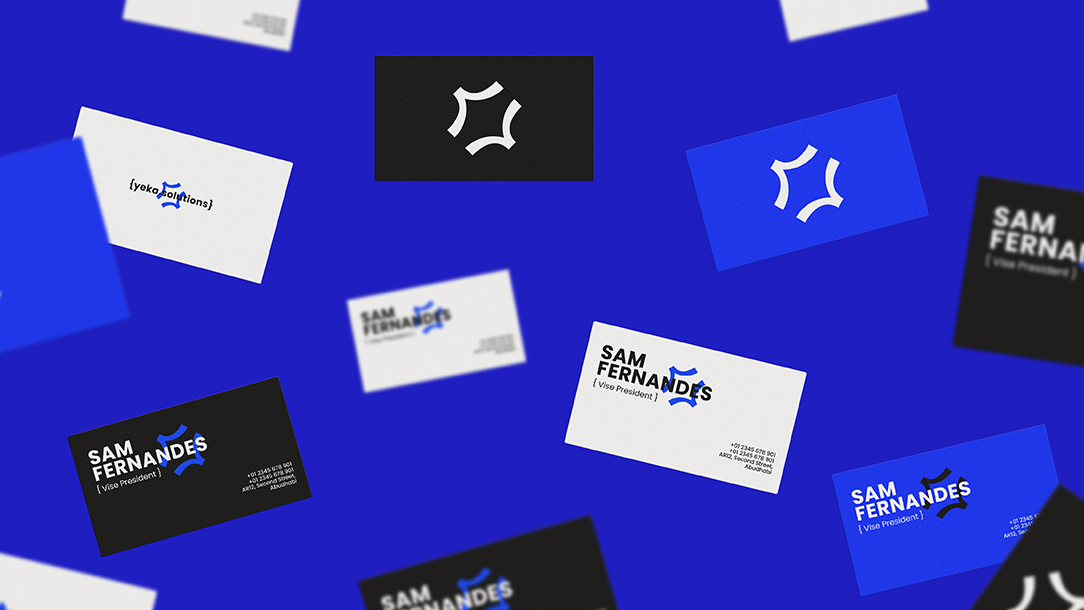
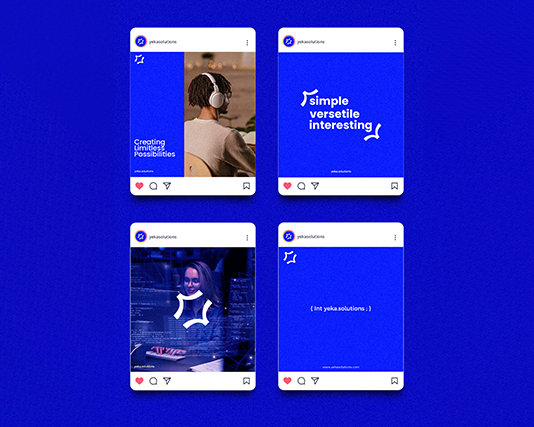
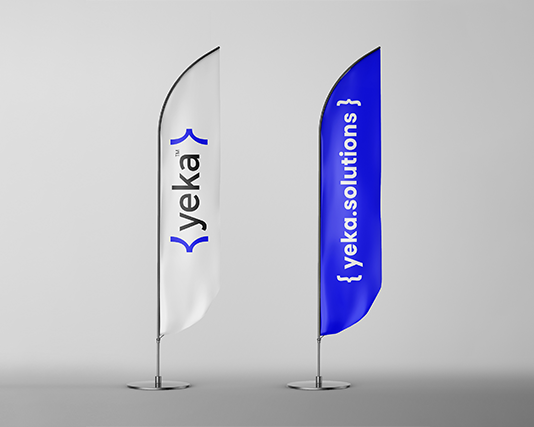
A complete visual identity for Yeka Solutions, a software company that needed to feel versatile, approachable, and technically credible all at once.
YEKABrand Identity · 2023
Yeka Solutions is a software company that provides versatile, very simple and interesting solutions for business requirements, the brief was to translate that directly into a visual identity.
The challenge was to create a mark that felt both technically grounded and human in its approachability. The identity needed to work across digital products, print collateral, and brand touchpoints.
The process began with understanding what "simple and interesting" really meant in the context of software. Not minimal for its own sake but clear, intentional, and easy to trust.
Every form was stress-tested for legibility at small sizes, across both light and dark surfaces, before a direction was committed.
The software and SaaS space is cluttered with safe, predictable identity, dark navy backgrounds, generic circuit-board metaphors, and rounded wordmarks that borrow from each other endlessly. The audit made one thing clear: the available visual territory was either aggressively corporate or trying too hard to feel "startup-friendly."
Yeka needed neither. The brief called for something versatile and simple, which meant the identity had to earn its simplicity, not default to it.
Strategic direction:
Lead with the mark, let the system do the rest.
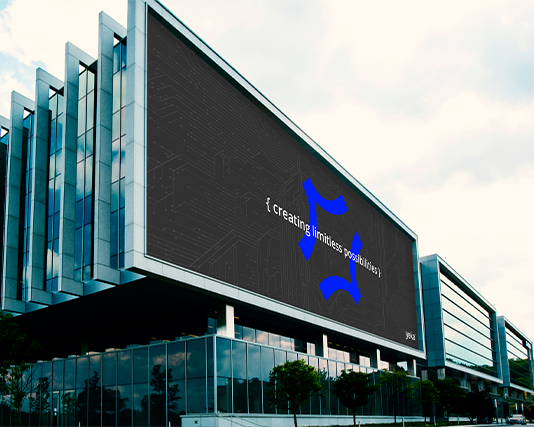
Competitors leaned heavily on illustrative icons and busy colour systems. The decision was to go the opposite direction: a single, ownable mark with strong geometric logic, paired with a restrained palette that would feel equally at home in a pitch deck and a mobile UI.
The mood direction pulled from the intersection of technical precision and spatial clarity,think developer tools, not enterprise software. Confident but not cold. Structured but with a human edge built into the form.


One strong symbol, used consistently, would do more for Yeka's recognition than a complex multi-element system ever could.
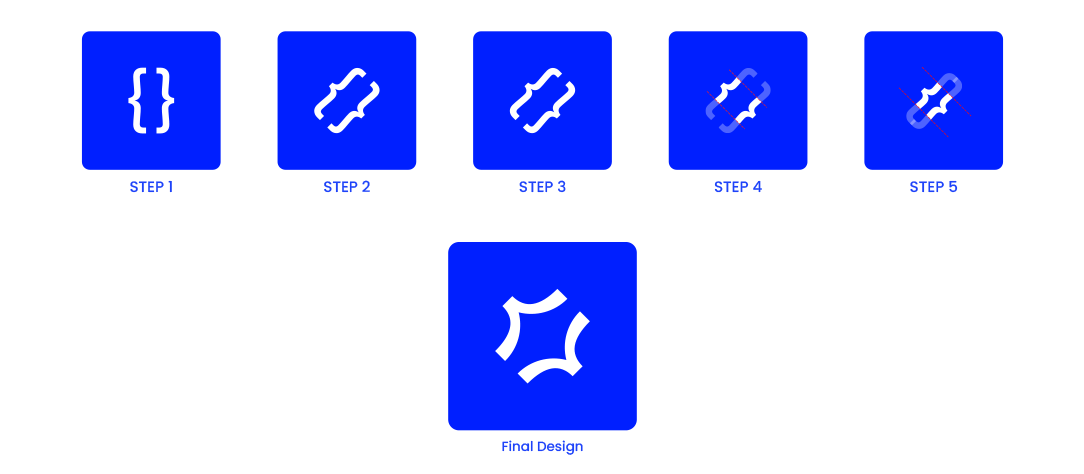
The starting point was the curly brace "{ }" one of the most universally recognised symbols in software development. Every developer knows it. Every codebase is built around it. But using it literally would be too obvious, too expected.
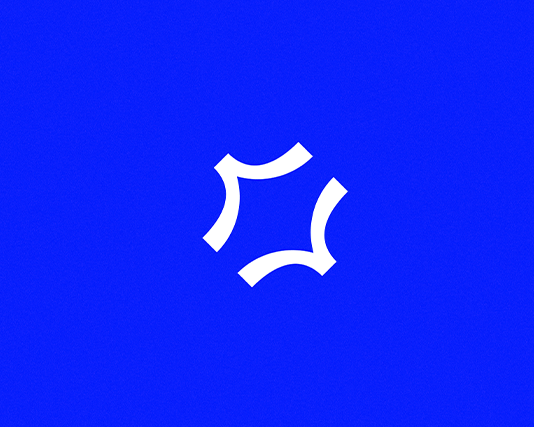
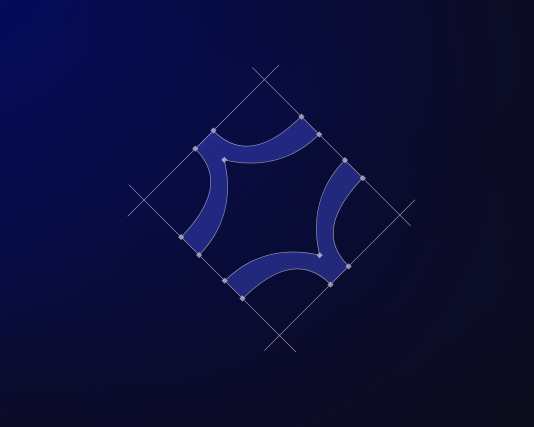
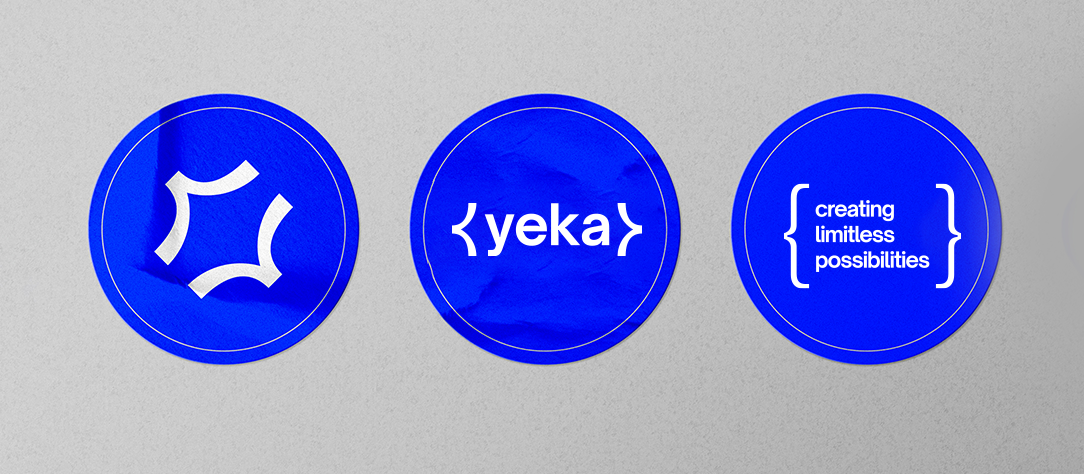
The insight was in the middle: strip away the top and bottom of the brace, and what remains is the center part, the most expressive, distinctive part of the form. Take two of those centres, mirror them, rotate the composition 45 degrees, and something unexpected happens. The symbol stops reading as a bracket and starts reading as a mark - dynamic, balanced, and completely ownable.
The four curved arms create a sense of connection and flow, like a node in a network or an interface in motion. It suggests both precision (the clean geometry of code) and adaptability (the organic tension between the curves).
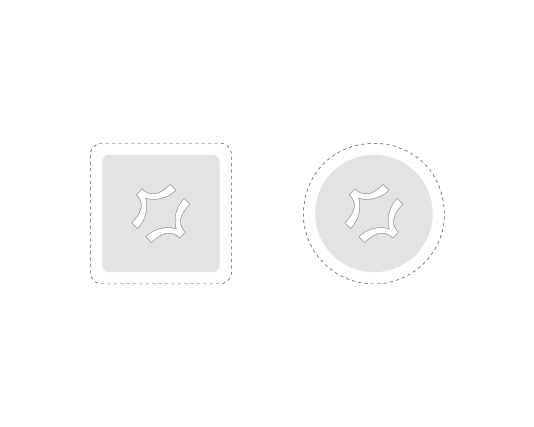
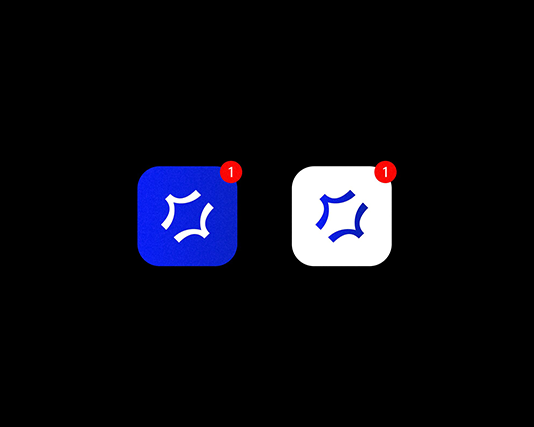
The mark was stress-tested extensively at small sizes. At 16px it holds. Reversed on dark, it holds. Embossed on physical material, it holds. The form is simple enough to survive any context, and distinctive enough to be recognised immediately once seen.
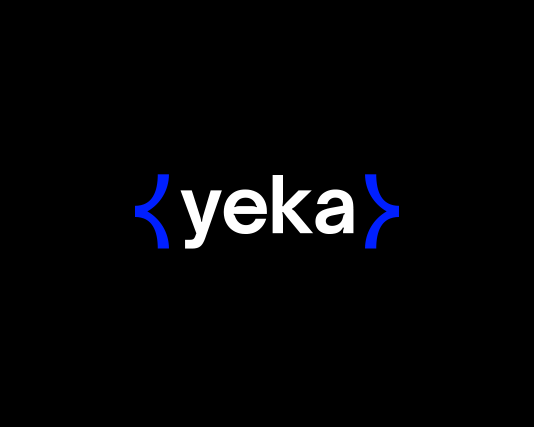
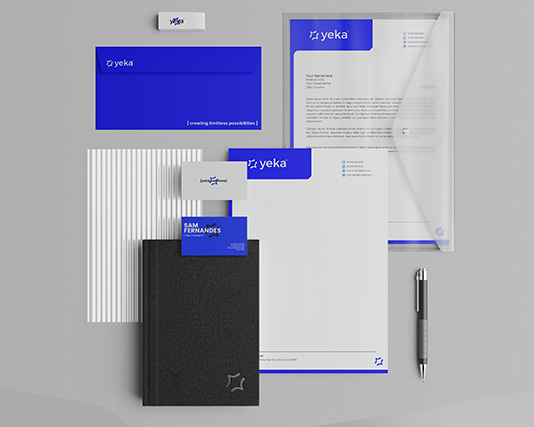
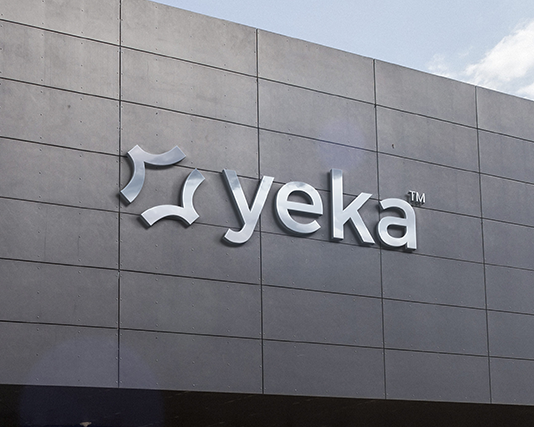
The primary lockup pairs the symbol left with the wordmark right, set in Open Sauce Sans at a scale ratio that lets the mark lead. The wordmark is tracked slightly open enough to breathe alongside the symbol without competing with it.
A stacked lockup (symbol above, wordmark below) is available for square format applications, social avatars, app icons, favicon contexts. The symbol alone is used only at sizes where the wordmark would become illegible, typically below 24px.
Clear space is defined by the x-height of the wordmark on all sides. Nothing enters that zone, not in any lockup, not on any surface.


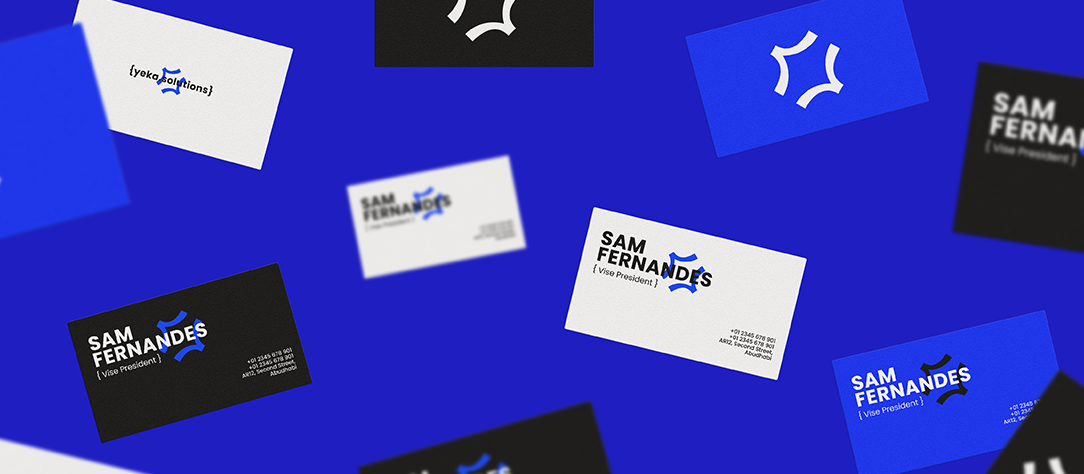
A complete brand package delivered to Yeka Solutions at project close.